Our History: From Fortress to Museum
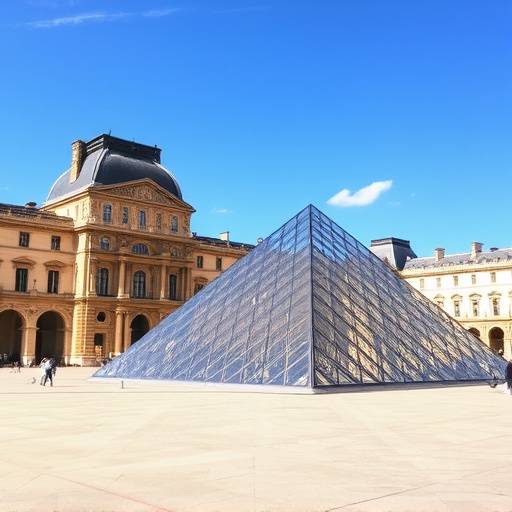
The Louvre’s story is a tapestry woven with threads of French history. Originally built as a fortress in the late 12th century by King Philip II, it was intended to protect Paris from invasion. Over the centuries, it evolved from a medieval castle into a magnificent royal palace. King Charles V transformed it into a royal residence in the 14th century, and subsequent monarchs added their own architectural flourishes, creating the grand structure we know today.
However, the Louvre's transformation into a museum began after the French Revolution. In 1793, the Musée Central des Arts de la République opened its doors, showcasing a collection of national treasures to the public for the first time. This marked a pivotal moment in the Louvre’s history, transitioning from a symbol of royal power to a beacon of art and culture accessible to all.
Throughout the 19th and 20th centuries, the Louvre's collection expanded significantly, encompassing masterpieces from around the world. Major renovations and expansions were undertaken, culminating in the construction of the iconic glass pyramid designed by I.M. Pei, which opened in 1989. This modern addition sparked controversy but ultimately became a defining symbol of the Louvre, representing its blend of historical grandeur and contemporary vision.
Our Mission: Preserving and Sharing Art
The Musée du Louvre is dedicated to preserving and sharing the world's artistic heritage. Our mission extends beyond simply displaying artworks; we are committed to conserving, researching, and interpreting these cultural treasures for present and future generations.
We strive to provide a welcoming and enriching experience for all visitors, regardless of their background or level of art knowledge. Our educational programs, guided tours, and online resources are designed to make art accessible and engaging to a wide audience. We actively promote art historical scholarship and foster a deeper understanding of the cultural contexts in which these artworks were created.
Furthermore, we actively engage in international collaborations, lending artworks to exhibitions around the world and partnering with other museums and cultural institutions to promote cross-cultural understanding. Our commitment to preservation includes rigorous conservation efforts, employing state-of-the-art techniques to protect our collection from deterioration and ensure its longevity.
Our Values: Excellence, Accessibility, and Innovation

At the Musée du Louvre, we are guided by a set of core values that underpin everything we do:
- Excellence: We strive for the highest standards of quality in all our activities, from conservation and research to exhibition design and visitor services.
- Accessibility: We are committed to making the museum accessible to all visitors, regardless of their physical abilities, cultural background, or economic circumstances.
- Innovation: We embrace new technologies and approaches to enhance the visitor experience and promote a deeper understanding of art.
- Integrity: We adhere to the highest ethical standards in our stewardship of the collection and our interactions with the public.
- Collaboration: We believe in the power of partnerships and actively collaborate with other institutions and individuals to advance our mission.
Key Figures in the Louvre's History
The Louvre's rich history is populated by visionary figures who shaped its destiny. From King Philip II, who laid the foundation for the fortress, to I.M. Pei, the architect of the iconic pyramid, countless individuals have left their mark on this cultural landmark.
- King Charles V: Transformed the Louvre into a royal residence, initiating its evolution from a fortress to a palace.
- Louis XIV: Expanded the palace and envisioned it as a center for the arts and sciences.
- Dominique Vivant Denon: The first director of the Louvre Museum, instrumental in organizing and expanding the collection after the French Revolution.
- I.M. Pei: The architect of the iconic glass pyramid, a symbol of the Louvre's modern identity.
- Jean-Luc Martinez: Former president-director of the Louvre, who oversaw significant expansions and renovations.
The Louvre's Architecture: A Blend of Styles
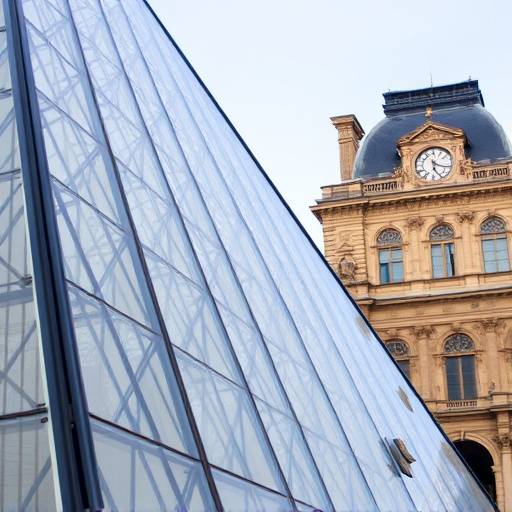
The Louvre's architecture is a testament to the evolving tastes and styles of French history. From its medieval foundations to its Renaissance expansions and modern additions, the building reflects a blend of architectural influences.
The original fortress was a sturdy, defensive structure with thick walls and towers. As the Louvre transformed into a royal palace, Renaissance architects incorporated classical elements, such as columns, arches, and pediments, creating a more refined and elegant aesthetic. The construction of the Grand Galerie in the 16th century further enhanced the Louvre's grandeur, providing a vast space for displaying the royal art collection.
The addition of the glass pyramid in the late 20th century introduced a striking contemporary element to the Louvre's architectural landscape. Designed by I.M. Pei, the pyramid serves as the museum's main entrance and a symbol of its commitment to innovation and accessibility. The pyramid's sleek, geometric form contrasts with the Louvre's traditional facades, creating a visually compelling juxtaposition of old and new.
The Louvre's Role in Art History
The Musée du Louvre plays a central role in the narrative of art history. Its collection spans millennia and encompasses masterpieces from diverse cultures and artistic movements.
“The Louvre is not merely a museum; it is a living testament to the enduring power of art and its ability to connect us across time and cultures.” - Dr. Élise Dubois, Louvre Art Historian.
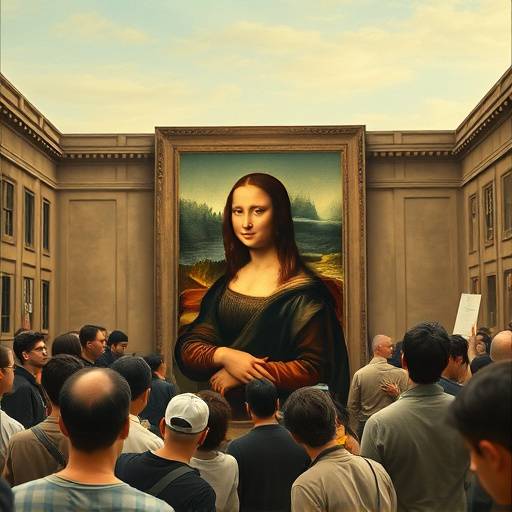
The museum's holdings include iconic works such as the Mona Lisa, the Venus de Milo, and the Winged Victory of Samothrace, which have become synonymous with art history itself. These masterpieces offer invaluable insights into the artistic techniques, cultural values, and historical contexts of their respective periods.
The Louvre also serves as a center for art historical research, attracting scholars from around the world who come to study its collection and contribute to our understanding of art history. Through its exhibitions, publications, and educational programs, the Louvre actively promotes the study and appreciation of art history, ensuring that these cultural treasures continue to inspire and inform future generations.
| Name | Area of Expertise | Contact |
|---|---|---|
| Dr. Élise Dubois | Renaissance Art | elise.dubois@louvremuseum.fr |
| Professor Antoine Moreau | Ancient Greek Sculpture | antoine.moreau@louvremuseum.fr |
| Dr. Sophie Lefevre | 18th-Century French Painting | sophie.lefevre@louvremuseum.fr |
| Professor Marc Dubois | Egyptian Antiquities | marc.dubois@louvremuseum.fr |