Unveiling the Secrets of the Winged Victory of Samothrace
Published by Dr. Élise Dubois, Curator of Greek Antiquities | October 26, 2026
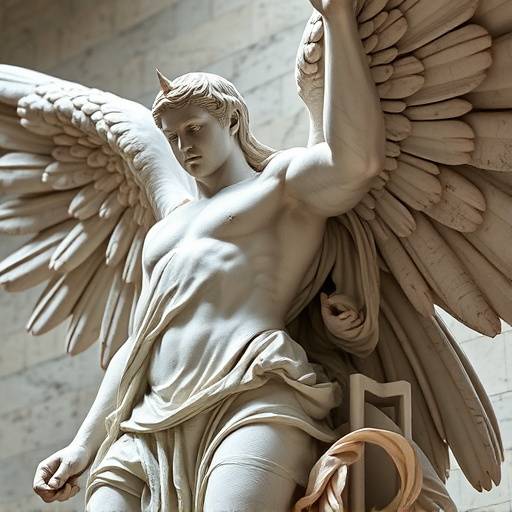
The Winged Victory of Samothrace, also known as Nike of Samothrace, stands as one of the Louvre's most iconic sculptures. Discovered on the island of Samothrace in the Aegean Sea, this Hellenistic masterpiece has captivated visitors for generations. In this blog post, we delve into the history, symbolism, and artistic significance of this breathtaking statue.
The sculpture is believed to have been created in the early 2nd century BC to commemorate a naval victory. The goddess Nike, the personification of victory, is depicted alighting on the prow of a ship, her wings still outstretched. The wind sweeps through her drapery, creating a sense of dynamic movement and power. Although the statue is missing its head and arms, its impact remains undiminished.
Recent research, conducted by a team led by Dr. Arnaud Lefèvre, suggests that the Winged Victory was originally part of a larger sanctuary complex dedicated to the gods of the sea. The sanctuary was located on a steep hillside overlooking the sea, providing a dramatic backdrop for the statue. The sculpture's placement and orientation were carefully planned to create a sense of awe and inspiration.
The Winged Victory's marble is of exceptionally high quality, sourced from the island of Paros. The sculptor skillfully exploited the natural properties of the marble to create a sense of translucency and depth. The folds of the drapery are rendered with remarkable detail, creating a play of light and shadow that enhances the statue's realism.
Visiting the Winged Victory is an unforgettable experience. As you stand before this magnificent sculpture, you can almost feel the wind in your hair and hear the roar of the sea. It is a testament to the artistic genius of the Hellenistic period and a reminder of the enduring power of art to inspire and uplift.
Celebrating Leonardo da Vinci: 500 Years of Genius
Published by Jean-Pierre Moreau, Art Historian | September 15, 2026
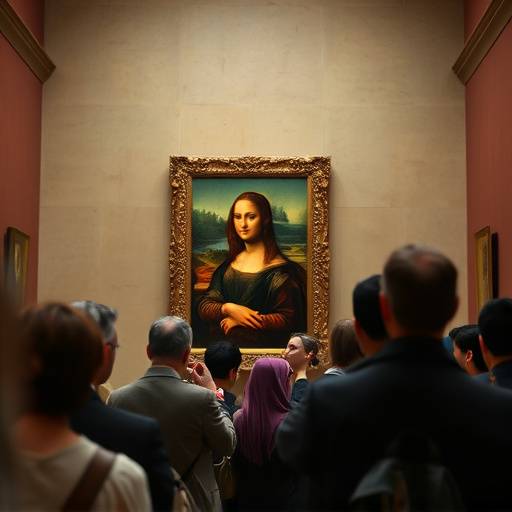
Leonardo da Vinci, the quintessential Renaissance man, remains one of the most admired and studied figures in history. As the Louvre Museum houses several of da Vinci's most celebrated works, including the Mona Lisa, La Belle Ferronnière, and Saint John the Baptist, it's only fitting that we explore his genius in detail.
Beyond his artistic achievements, da Vinci was a polymath whose interests spanned science, engineering, anatomy, and more. His notebooks are filled with sketches of inventions, anatomical studies, and philosophical musings. His insatiable curiosity and relentless pursuit of knowledge set him apart from his contemporaries.
The Mona Lisa, arguably the most famous painting in the world, continues to fascinate and intrigue. Its enigmatic smile has been the subject of countless interpretations. The sfumato technique, which da Vinci perfected, creates a soft, hazy effect that adds to the painting's mystery and allure. Ongoing research by the Louvre’s conservation team, led by Sophie Bernard, continues to reveal new details about the painting's composition and history.
Da Vinci's influence on subsequent generations of artists is undeniable. His mastery of perspective, anatomy, and light inspired countless painters and sculptors. His scientific investigations also had a profound impact on the development of modern science.
To commemorate the 500th anniversary of da Vinci's death, the Louvre Museum recently hosted a major exhibition showcasing his drawings, paintings, and scientific studies. The exhibition provided a comprehensive overview of his life and work, highlighting his extraordinary achievements in art and science.
The Louvre offers guided tours dedicated to Leonardo da Vinci's works, providing in-depth analysis and historical context. Visitors can explore his artistic techniques, discover the hidden meanings behind his paintings, and learn about his remarkable life. These tours, often led by seasoned art historians like Antoine Dubois, are incredibly popular, so booking in advance is highly recommended.
Spotlight on Marie-Thérèse Geoffrin: A Patron of the Enlightenment
Published by Isabelle Clermont, Historical Researcher | August 8, 2026
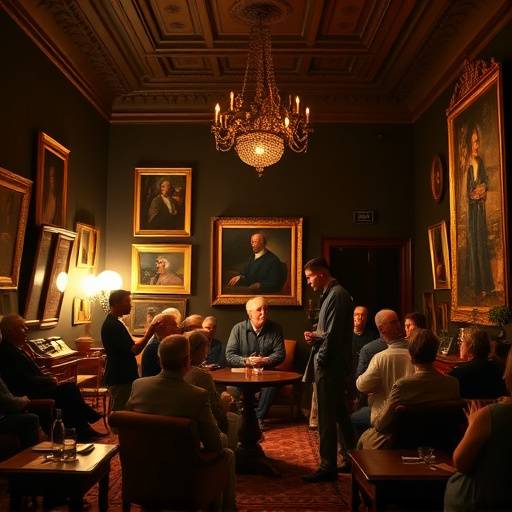
While the Louvre primarily showcases artistic creations, it also acknowledges the vital role of patronage in art history. This post celebrates Marie-Thérèse Geoffrin, a prominent figure of the French Enlightenment and a renowned patron of the arts. Though her name may not be directly associated with a painting on the wall, her influence is woven into the fabric of 18th-century Parisian art and intellectual life.
Madame Geoffrin hosted one of the most influential salons in Paris. Her salon served as a meeting place for leading intellectuals, artists, and writers of the time, including Voltaire, Diderot, and Montesquieu. These gatherings provided a forum for the exchange of ideas, the discussion of art and literature, and the promotion of Enlightenment values.
Geoffrin's patronage extended to many artists, providing them with financial support and exposure. She commissioned works of art, promoted their careers, and created a network of connections that helped them succeed. Her support was particularly important for artists who were challenging the established norms of the art world.
Her salon was known for its sophisticated atmosphere and its emphasis on intellectual discourse. Geoffrin cultivated a culture of respect, civility, and open-mindedness. Her ability to bring together people from diverse backgrounds and perspectives made her salon a catalyst for innovation and change.
The Louvre’s archives contain correspondence between Madame Geoffrin and several artists whose works are exhibited in the museum. These letters shed light on her artistic preferences, her patronage practices, and her role in shaping the art world of her time. Analysis of these documents, spearheaded by archivist Camille Moreau, reveals the profound impact of patronage on artistic creation.
By recognizing the contributions of figures like Marie-Thérèse Geoffrin, the Louvre Museum broadens our understanding of art history and acknowledges the importance of patronage in fostering creativity and innovation. Her legacy as a patron of the Enlightenment continues to inspire us today.